The Ultimate Nomad: How to Fly Anywhere with Your Foil Drive
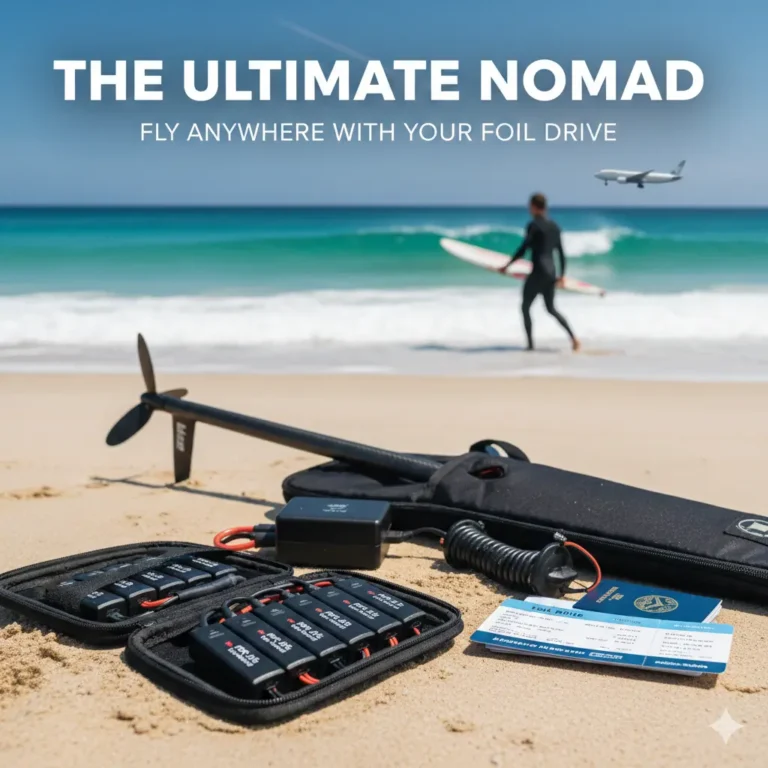
Traveling with high-tech watersports gear can feel like a logistical puzzle, especially when lithium batteries are involved. For many foilers, the dream is to bring their own setup to world-class spots like the Canary Islands without the headache of shipping crates or customs delays.
The Foil Drive system was engineered with this exact freedom in mind. Here is your definitive guide to flying with your Foil Drive in 2026.
The Magic Number: Sub-100Wh
Airline regulations (IATA) are very strict: most lithium-ion batteries over 160Wh are banned from passenger aircraft. Standard eFoil batteries (often 2000Wh+) simply cannot fly.
Foil Drive solved this with the Modular Travel Battery.
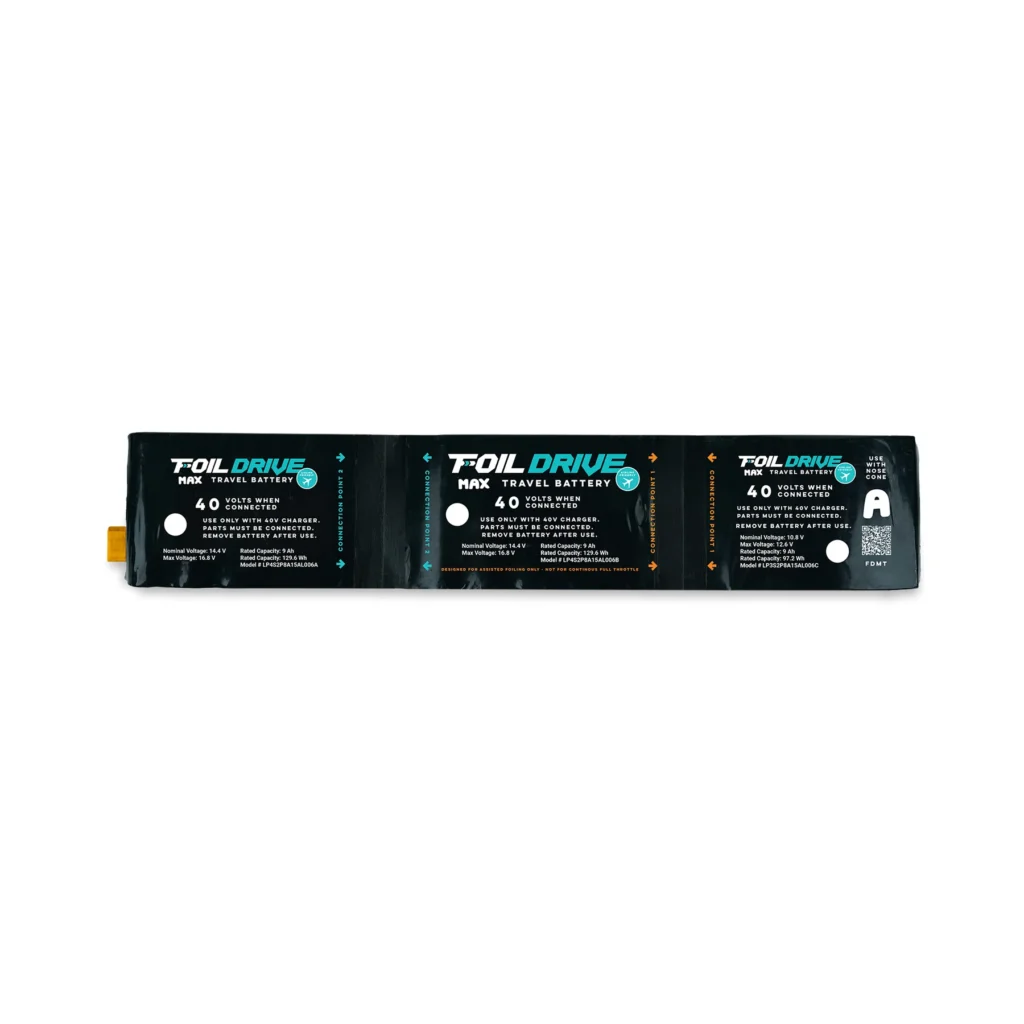
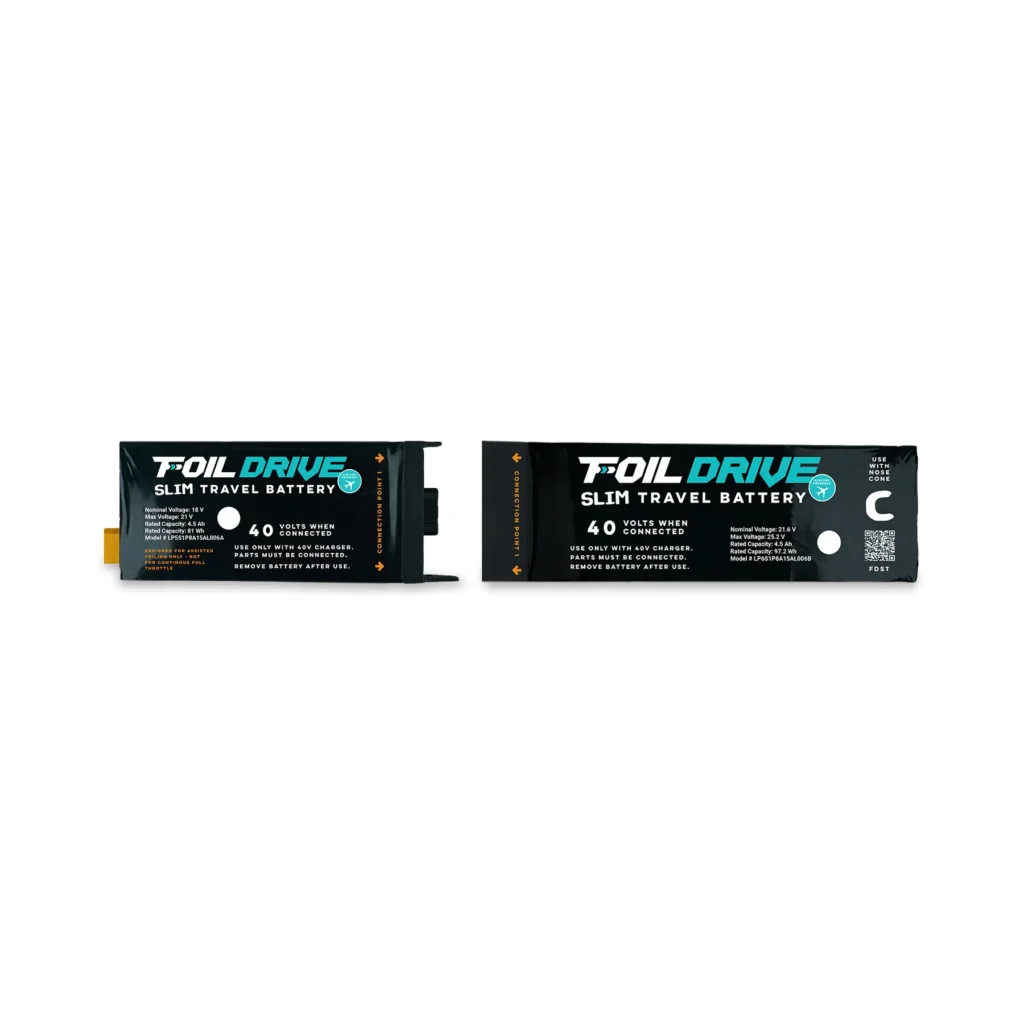
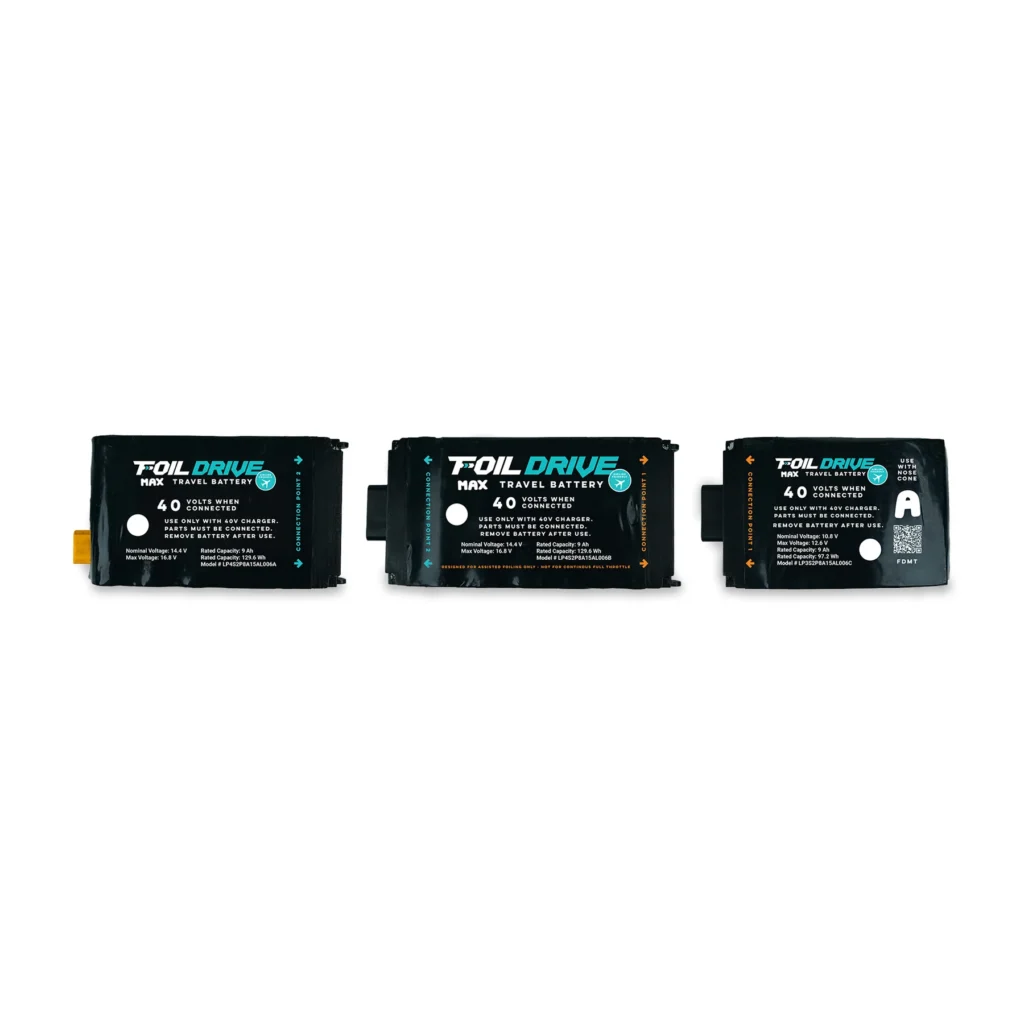
The Design: The battery isn’t one solid block. It’s a series of smaller modules (e.g., 2 x 129.6Wh and 1 x 97.2Wh for the Assist MAX) that screw together.
The Loophole: When disassembled, each individual module falls under the airline-approved limit for carry-on luggage.
The Capacity: Once you land, you screw them back together to get your full 350Wh+ of riding power.
Packing Like a Pro
“Carry-on Only” rule for batteries.
Batteries (Carry-on): Never put your lithium batteries in checked luggage. Keep them in the provided Foil Drive padded travel case.
State of Charge (SoC): As of January 2026, many airlines now mandate that batteries be discharged to 30% or less for transport.
The “Box” and Motor (Checked): Your electronics box and motor are safe for the cargo hold. Wrap the motor cable carefully—avoid tight kinks that could damage the internal wiring.
The Mast: If you have an integrated mast, use a padded mast cover. Most foilers pack the mast and wings in a specialized foil bag, using their wetsuits as extra padding.
Security agents might not see a modular hydrofoil battery every day. Being prepared saves you time:
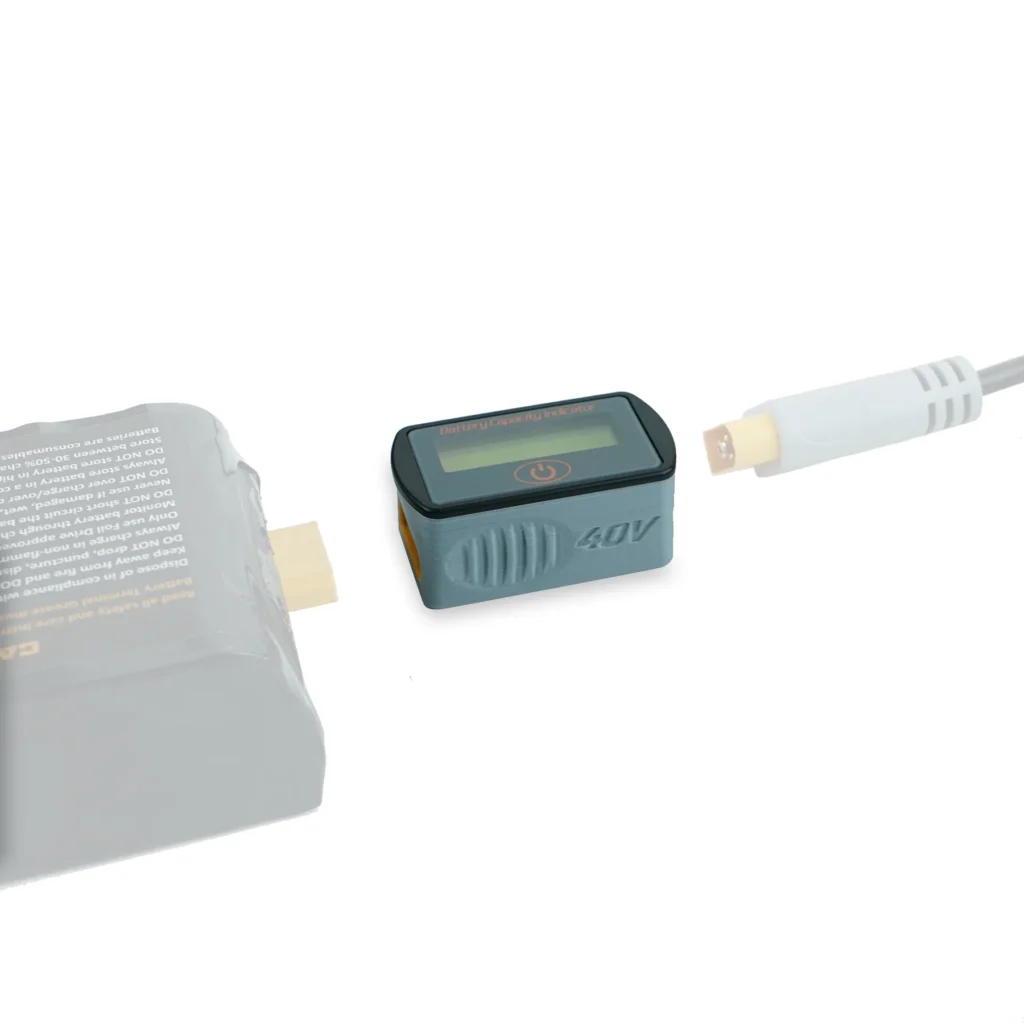
Keep the Labels Clear: Ensure the Watt-hour (Wh) stickers on each module are clean and legible.
The Data Sheet: Carry a printed copy of the Foil Drive Airline Safety Information Card (included with your travel kit). It explains the modular compliance in technical terms that security officers understand.
Tape the Terminals: Use electrical tape to cover the connector pins on each module to prevent any chance of a short circuit.
Ultimate Airport Checklist
- Batteries disassembled and in carry-on?
- All modules charged to <30%?
- Airline Safety Card at the top of your bag?
- Terminal pins taped for safety?